Description
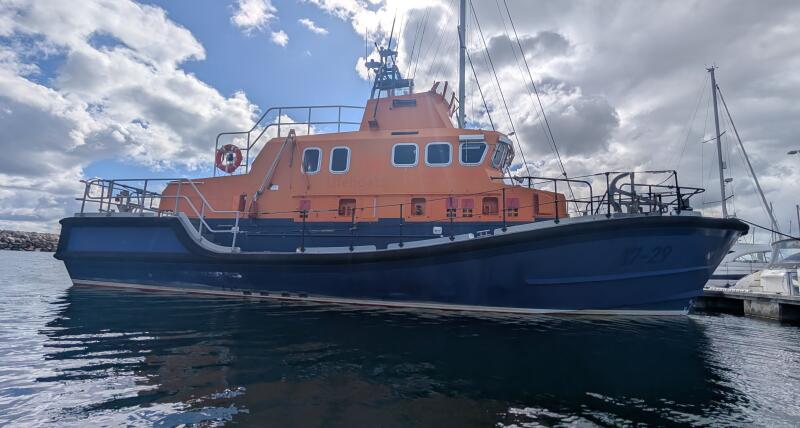
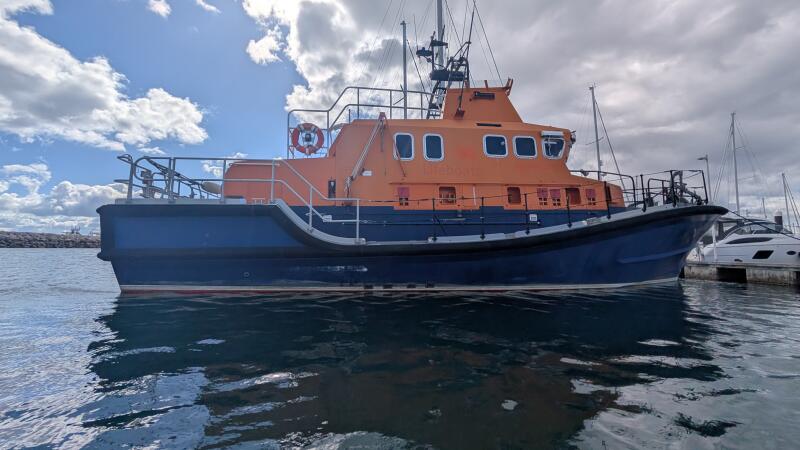
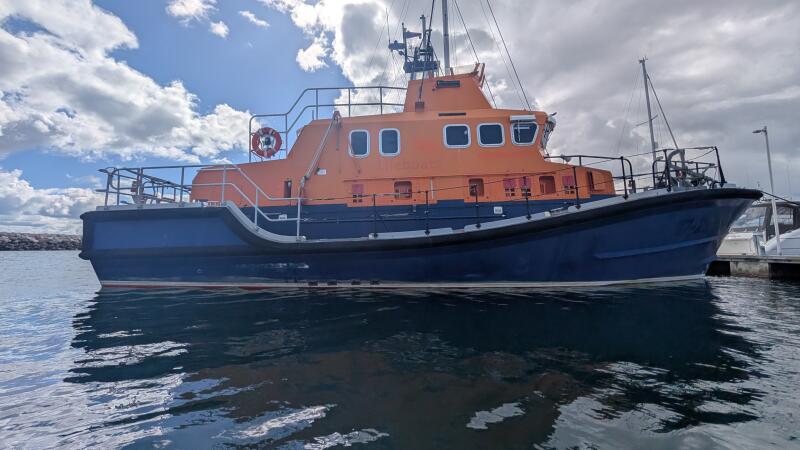
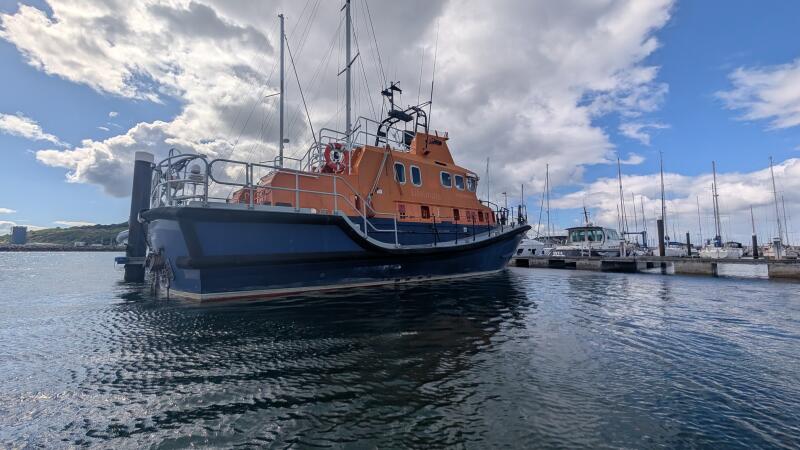
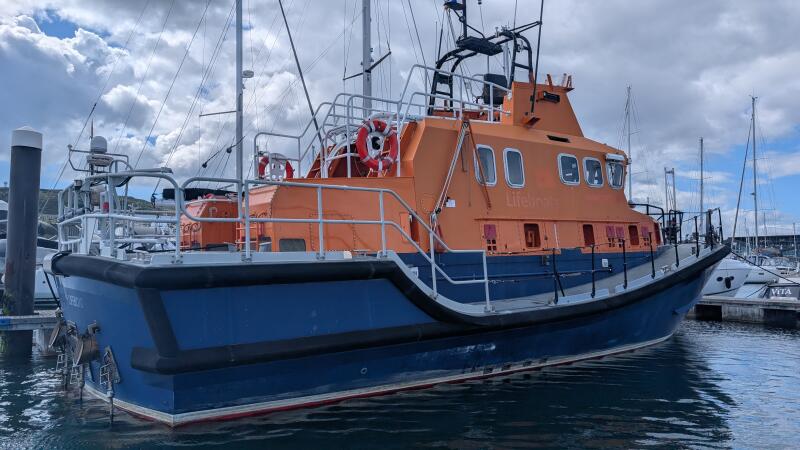
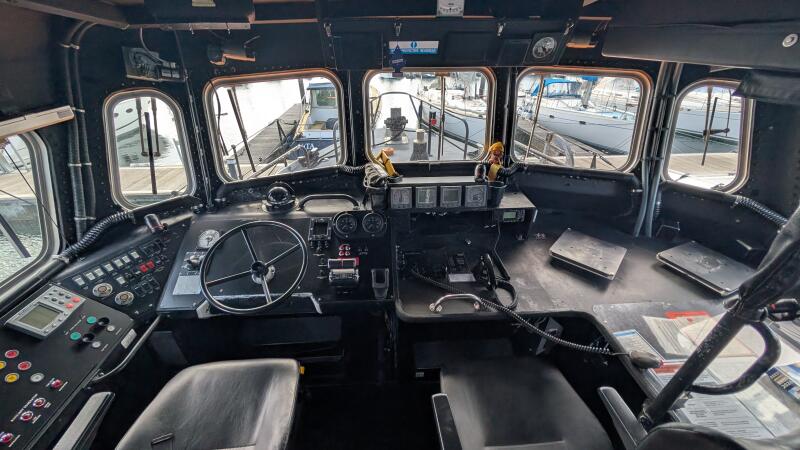
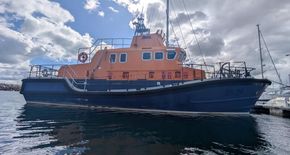
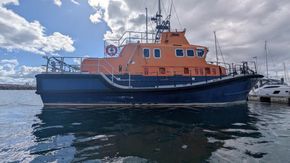
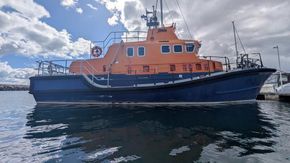
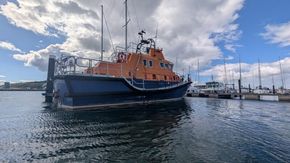
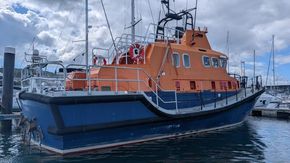
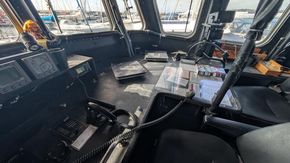
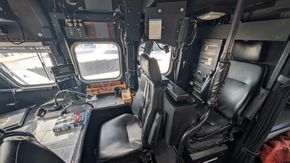
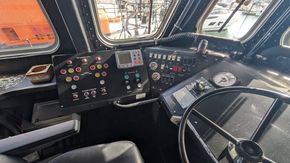
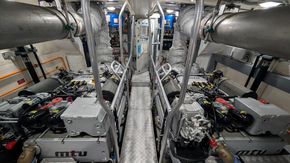
RNLI Trent Class Lifeboat Engineered for Ultimate Maritime Rescue.The Severn class lifeboat stands as the pinnacle of all-weather search and rescue engineering. As the largest operational vessel in the RNLI fleet, this 17-metre powerhouse is built to conquer the most treacherous sea conditions.Powered by twin MTU diesel engines, it delivers a commanding 25-knot top speed. Its advanced composite hull offers unmatched durability, while the legendary self-righting design guarantees crew safety in extreme capsizing events.Her berth at Portland Marina is available.Available for viewing, please call 01305 818541 for further information.
MECHANICAL 2x
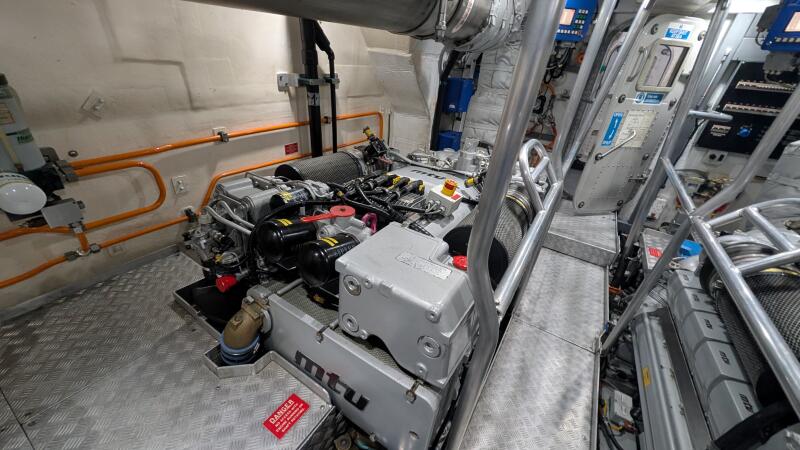
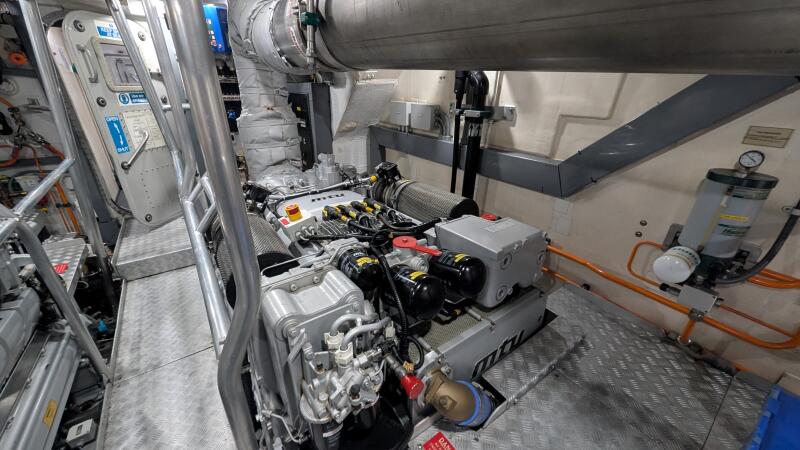
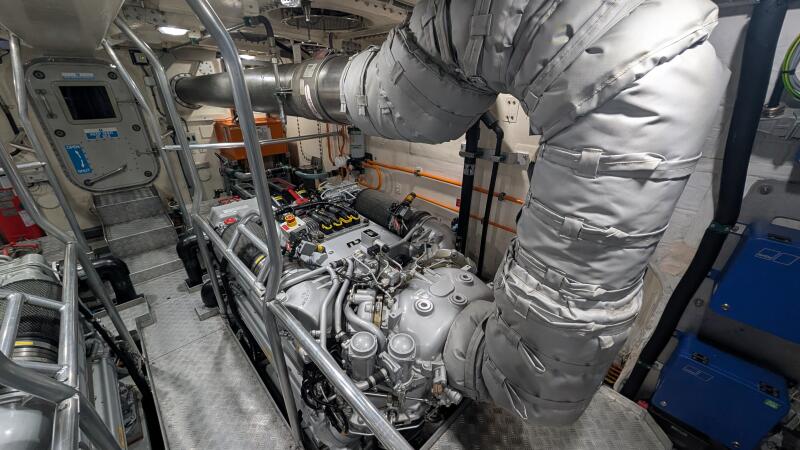
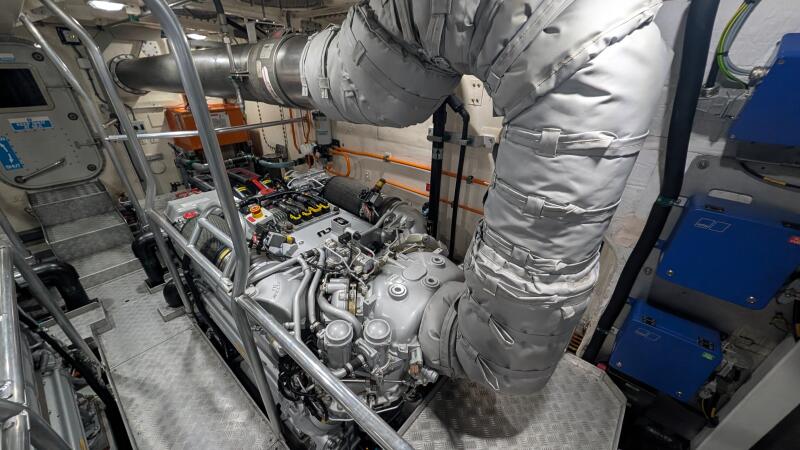
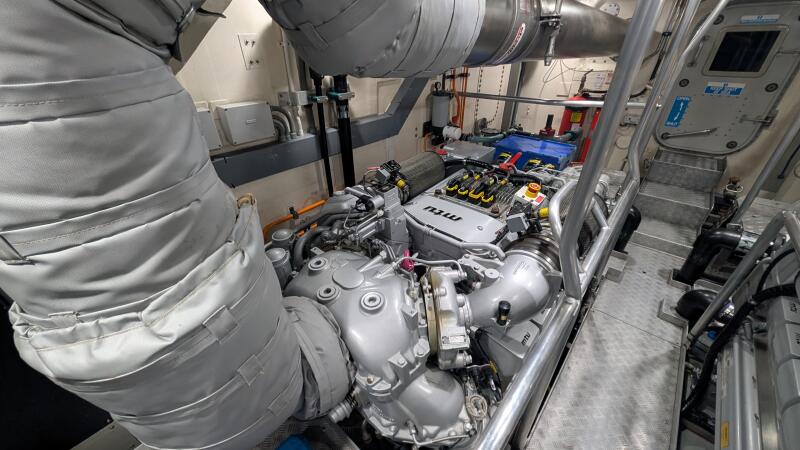
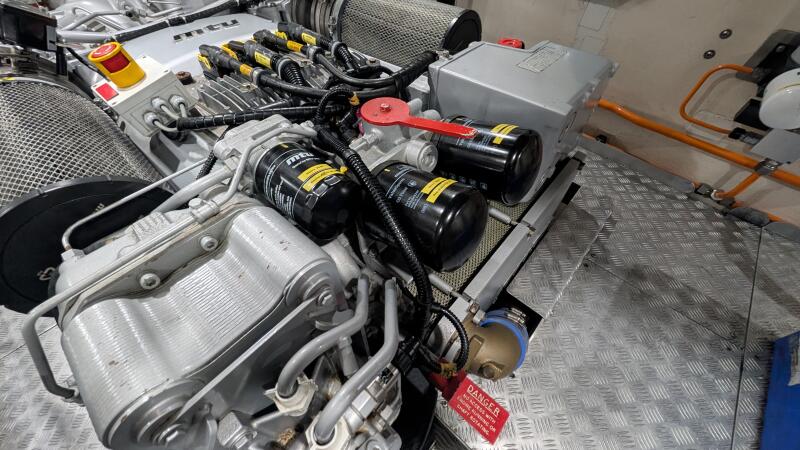
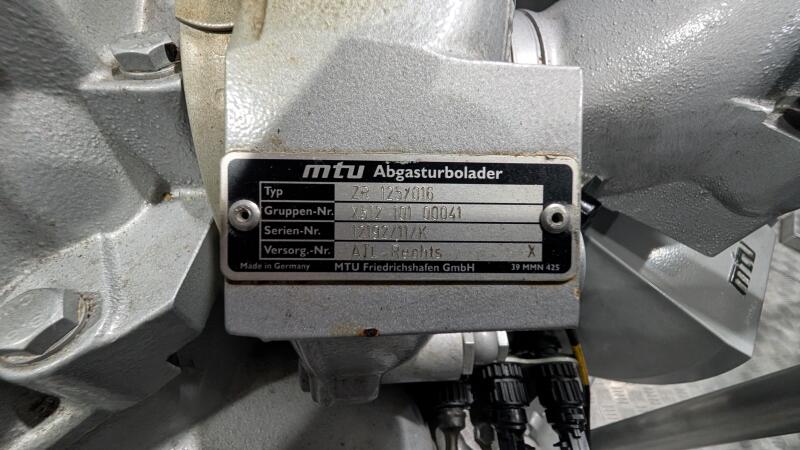
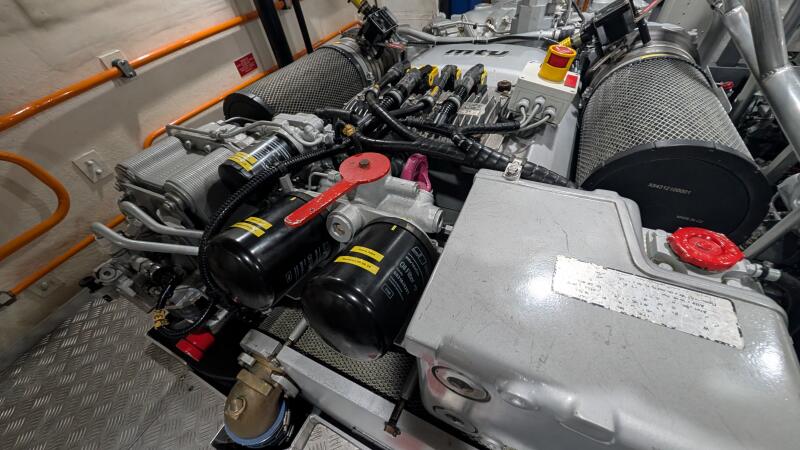
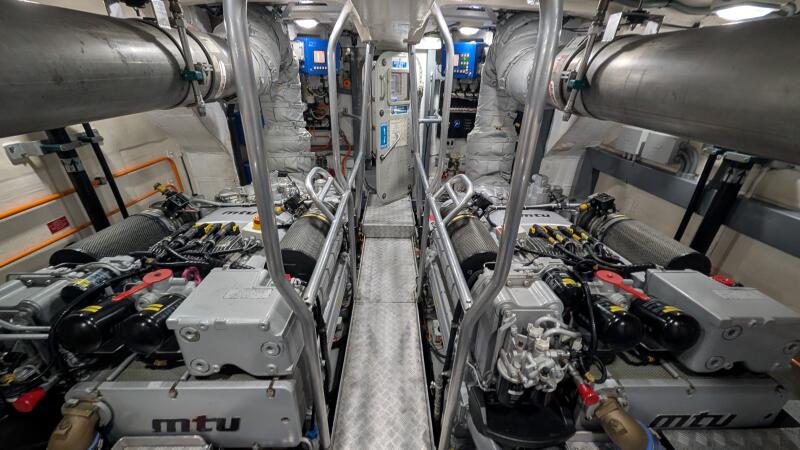
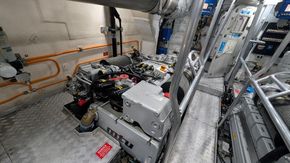
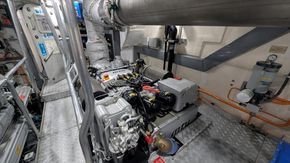
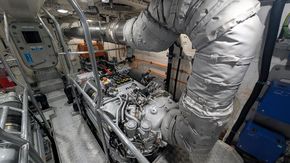
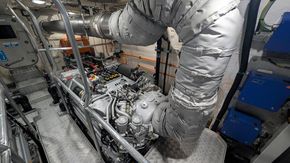
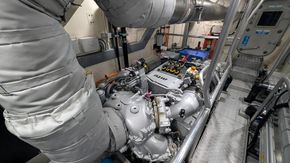
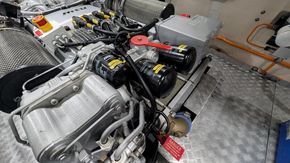
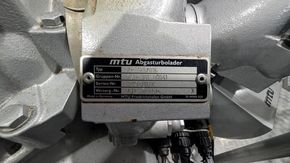
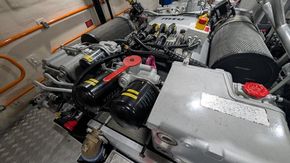
Engine Marine MTU 10V2000 M94 1600HP (engines fitted in 2013 when boat
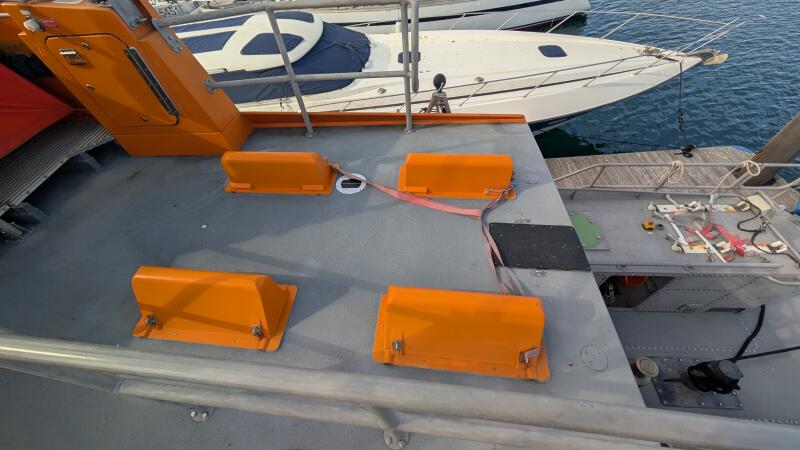
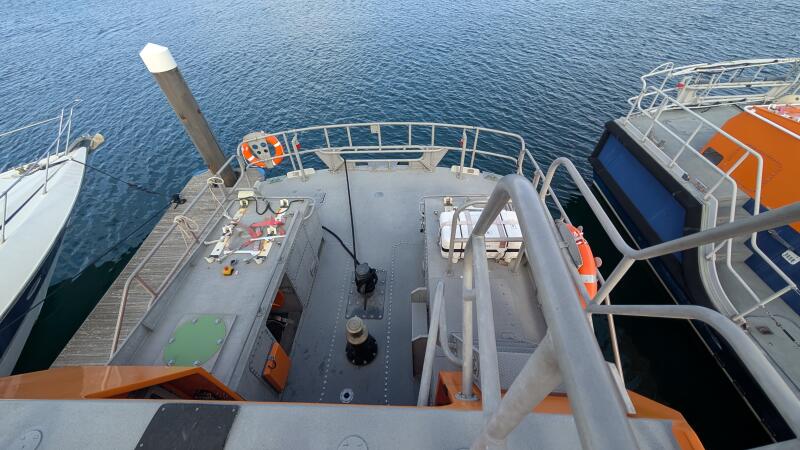
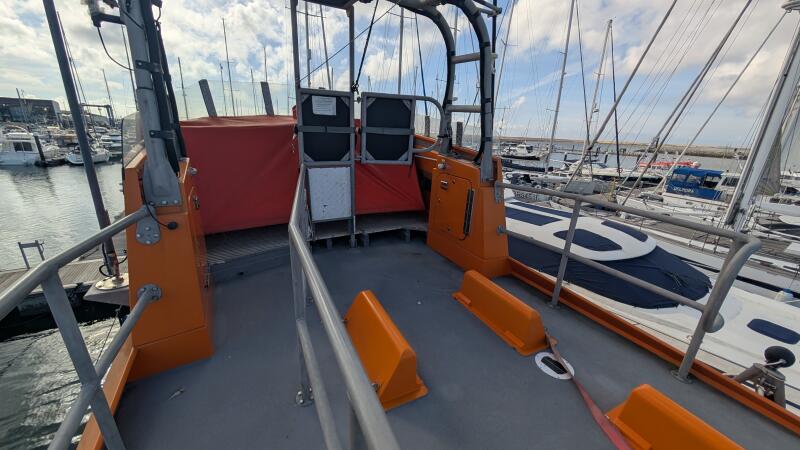
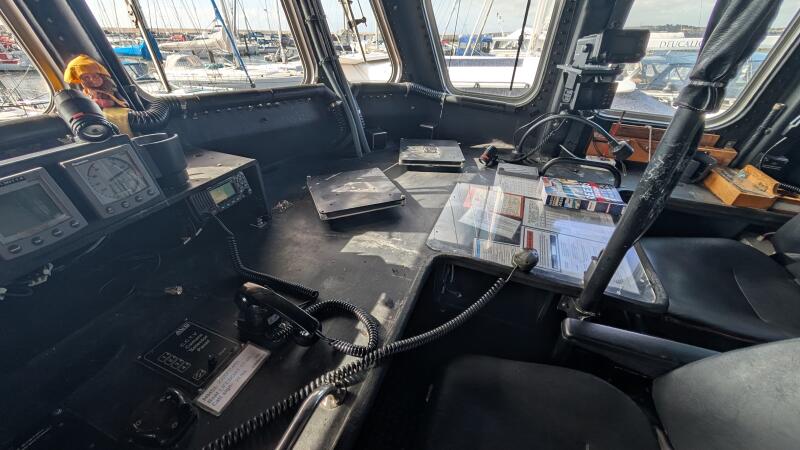
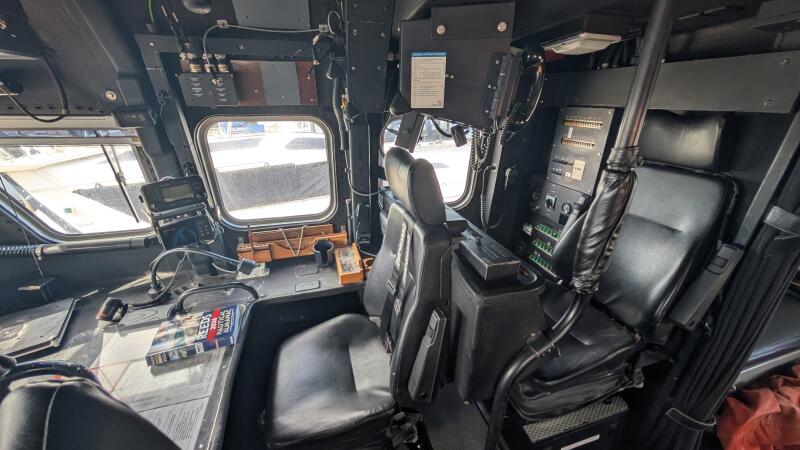
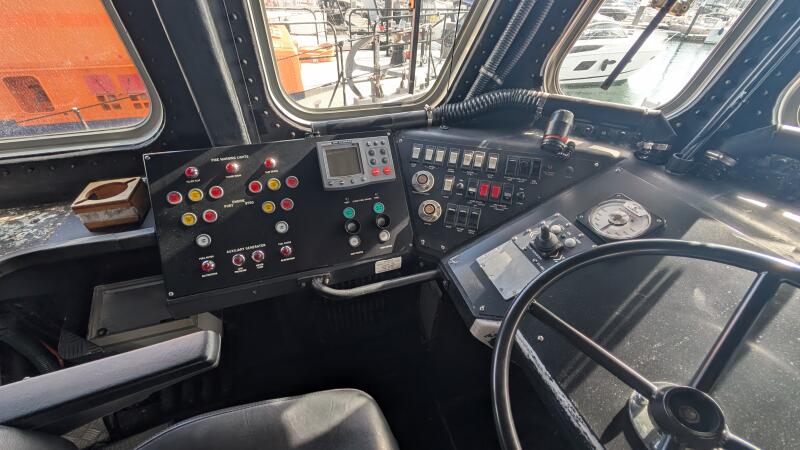
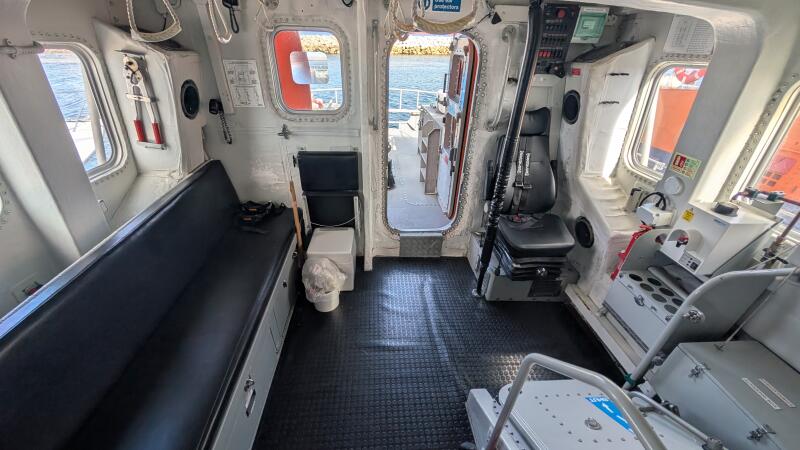
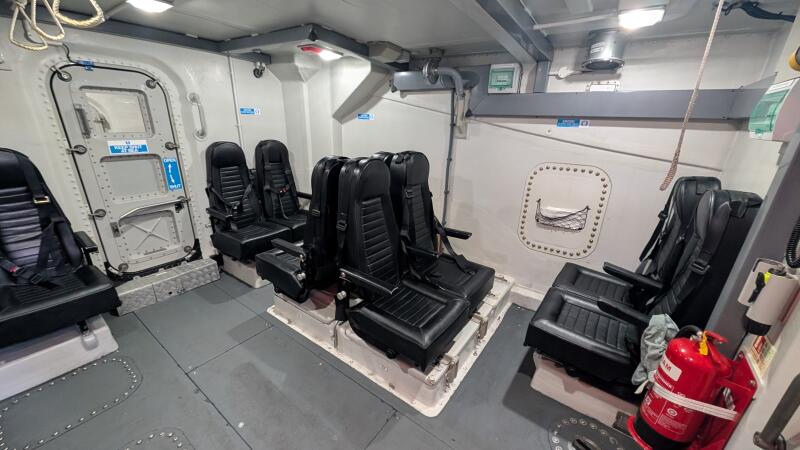
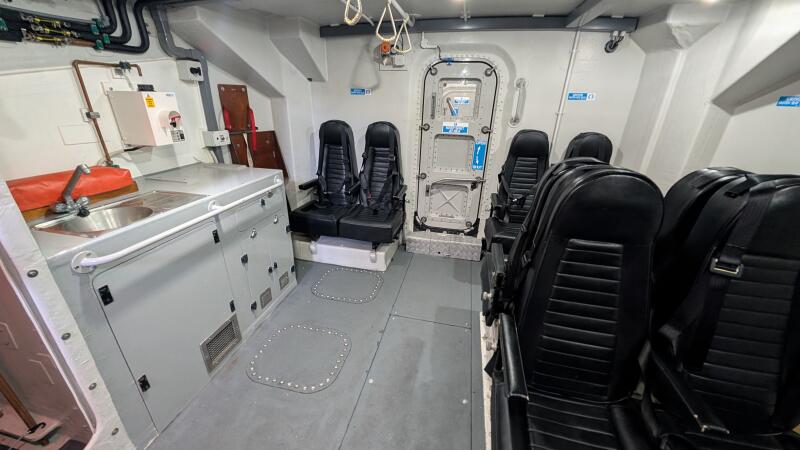
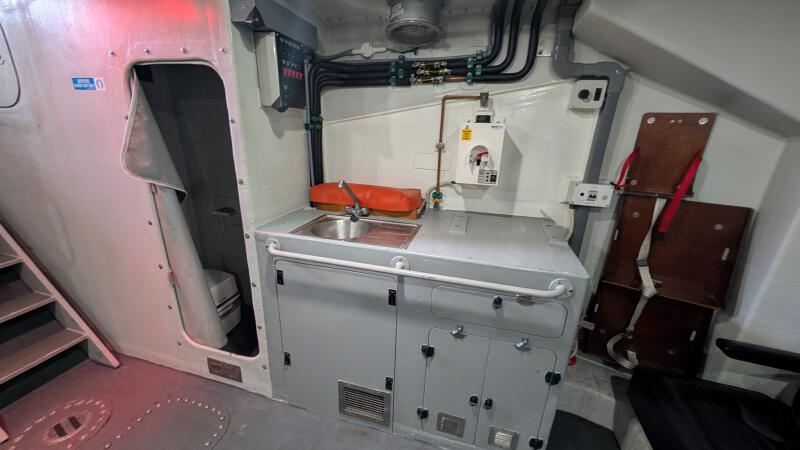
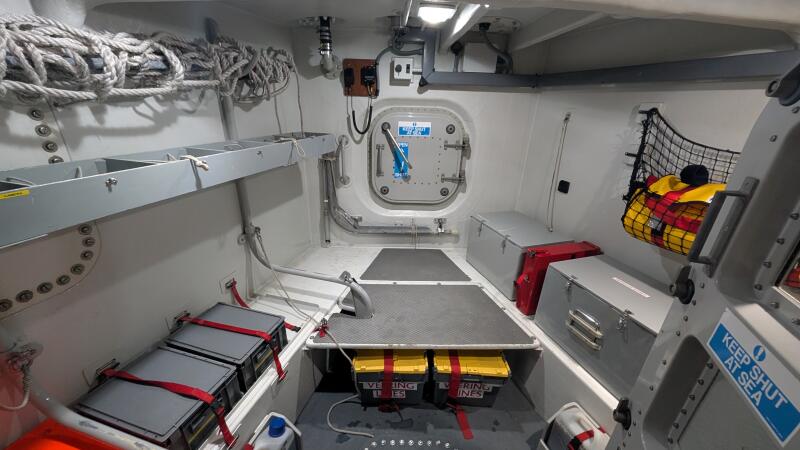
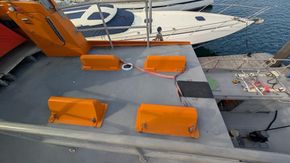
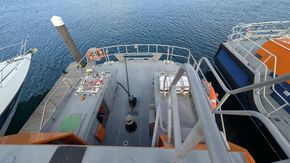
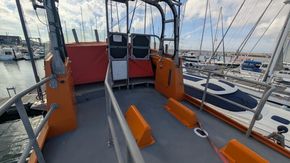
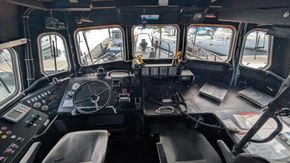
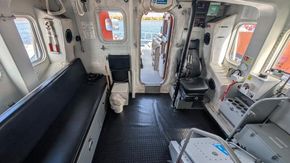
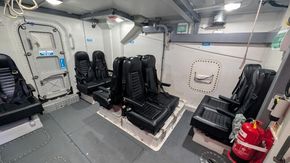
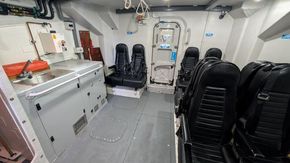
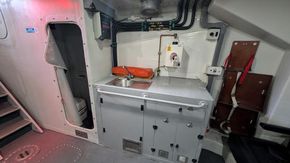
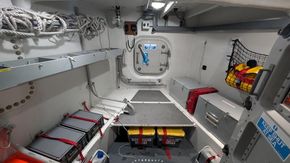
was commissioned into RNLI service in 2013)turbocharged and intercooled marine diesels, each producing 1,600 hp Starboard engine has approx. 4330 engine HoursPort engine has approx. 4343 engine hours.Gearboxes: ZF BW 195 (2.03.1) gearboxesPropulsion Twin shafts to fixed-pitch 5 bladed propellers (enclosed/protected design to allow grounding without damage)Manoeuvring: Hydraulic bow thruster for enhanced closequarters handling and casualty recoveryFuel system: Twin tanks (approx. 2 × 2,800 litres) with dualfiltration and transfer systemsAuxiliary systems: Comprehensive hydraulic power packs for bow thruster, deck equipment, and Y-class inflatablePerformance: Capable of sustained high-speed operations in heavy seas with excellent fuel efficiency at cruisingELECTRICALElectrical system: 24V DC primary system with extensive distribution and monitoringPower generation: Dual engine-driven alternators supplemented by additional generators as required Integrated monitoring: Integrated bridge system allowingmonitoring and control of engines, bilges, electrics, andalarms from shock-mitigating helm positionsEmergency power: Redundant battery banks andemergency lighting throughout the vesselLightning and grounding protection designed to marinerescue standardsNAVIGATION Communications: VHF and MF/HF radios with DigitalSelective Calling (DSC)Additional sensors: Weather sensors, autopilot, depthsounder, and compass systemsManual Compass:DECK Deck layout: Spacious working deck optimised for casualty recovery with low freeboard aft/side sections for easy accessSurvivor recovery: Wide side and stern access points with dedicated recovery equipmentDeck fittings: Heavy-duty towing post and bollards, mooring points, and fendering systemNon-slip surfaces and drainage systems designed for heavy weather operationsRails and guardrails: Robust stainless steel railings with removable sections for operational flexibilitySAFETY Self-righting: Inherently self-righting design with rapid righting and engine restart capabilityDamage stability: Five watertight compartments; remains afloat with any two compartments floodedHull design: Hard chine semi-displacement hull for superior seakeeping and stabilityCrew protection: Shock-mitigating seats at all operational positionsSurvivor safety: Dedicated survivor cabin with strapping pointsACCOMMODATION Wheelhouse: Fully enclosed, heated wheelhouse with excellent all-round visibility and multiple shock-mitigating helm positions Survivor cabin: Located below the main deck with seating for up to 12 people plus Crew facilities: Dedicated crew rest areas, galley facilities, and toilet/washroom CONSTRUCTION Hull: Fibre Reinforced Composite Deck and superstructure: 25 mm foam-cored sandwich composite Design features: Semi-displacement hard chine hull optimised for speed and seakeeping in extreme conditions